If you’re dreaming of wandering through colorful souks, riding camels across the golden Sahara Desert, exploring centuries-old medinas, and enjoying warm Moroccan hospitality, you may be asking yourself: Can I travel to Morocco in 2026?
The answer is yes. Morocco remains one of the world’s most welcoming travel destinations and continues to welcome millions of international visitors every year. Whether you’re traveling from the United States, Canada, the United Kingdom, Australia, Europe, or elsewhere, Morocco offers an unforgettable mix of culture, history, adventure, beaches, mountains, and desert landscapes.
In this Morocco travel guide, you’ll find everything you need to know before planning your trip, including entry requirements, visa information, flights, safety, currency, health advice, the best time to visit, and how to book a private Morocco tour.
Yes. Morocco is fully open to international tourism in 2026.
International airports operate regular flights from Europe, North America, the Middle East, and many African countries. Hotels, riads, restaurants, museums, and tourist attractions are open, and private tours throughout the country are available year-round.
Visitors can explore destinations such as:
Whether you’re planning a short city break or a two-week adventure across Morocco, there are countless itineraries to suit every type of traveler.
If you’re planning a trip to Morocco in 2026, it’s important to understand the country’s entry requirements before you travel. Morocco welcomes millions of international visitors each year, and the arrival process is generally straightforward for tourists. However, ensuring that you have the correct travel documents and meet the entry conditions will help make your arrival smooth and stress-free.
A valid passport is essential for entering Morocco. Before traveling, check that your passport is in good condition and has enough blank pages for entry and exit stamps. Although many travelers only need a passport valid for the duration of their stay, it is strongly recommended to have at least six months of validity remaining from your date of entry. Some airlines may also require additional passport validity before allowing you to board your flight.
If your passport is damaged, torn, or has missing pages, you should renew it before your trip to avoid potential issues at check-in or immigration.
Moroccan immigration authorities may ask visitors to provide proof that they intend to leave the country before the end of their authorized stay. For this reason, it is advisable to have a return flight ticket or an onward travel ticket to another destination.
While immigration officers do not request this from every traveler, having a confirmed booking readily available can help speed up the arrival process. If you are planning to continue your journey to another country after Morocco, keep your travel itinerary and booking confirmations accessible, either in printed form or on your mobile device.
When entering Morocco, you may be asked where you will be staying during your visit. It is helpful to have the name, address, and contact details of your hotel, riad, guesthouse, or tour operator available.
If you have booked a private Morocco tour, your travel company can usually provide confirmation of your accommodation reservations. Travelers visiting friends or family should also have the address and contact information of their host.
Keeping copies of your accommodation confirmations on your phone or printed out is recommended, especially if you plan to visit multiple cities during your trip.
Visitors should be prepared to demonstrate that they have enough financial resources to cover their stay in Morocco if requested by immigration officials. In most cases, travelers are not asked to show proof of funds, but it is wise to be prepared.
Acceptable evidence may include:
Having your accommodation, transportation, and tour reservations booked in advance can further demonstrate that you have planned your trip responsibly.
Upon landing at one of Morocco’s international airports, you will proceed through passport control before collecting your luggage.
Immigration officers may ask a few simple questions, such as:
These questions are routine and help confirm your travel plans. Answer honestly and have your travel documents ready if requested.
After your passport has been checked and stamped, you will collect your luggage and proceed through customs before entering the arrivals hall.
Morocco has customs regulations designed to protect travelers and the country. Most personal belongings, including clothing, cameras, laptops, and mobile phones, can be brought into the country without any issues, provided they are intended for personal use.
Visitors should avoid carrying prohibited or restricted items and should respect Moroccan customs regulations regarding the import and export of goods. If you are carrying large amounts of cash, valuable commercial equipment, or goods intended for resale, you may need to declare them upon arrival.
It is also important to remember that Morocco has strict laws regarding illegal drugs and certain controlled substances. Always travel with prescription medications in their original packaging and, if necessary, carry a copy of your prescription.
Before departure, check the latest customs information provided by the relevant Moroccan authorities or your airline to ensure you comply with current regulations.
To make your arrival in Morocco as smooth as possible, keep the following documents easily accessible in your carry-on luggage:
Preparing these documents in advance will help you enjoy a hassle-free arrival and allow you to start exploring Morocco with confidence.
Packing for Morocco depends on the season and the regions you plan to visit, but in general the country has a mix of warm days, cool evenings, and different climates between the coast, mountains, and desert. Packing smart will make your trip much more comfortable.
Here is a simple and practical packing guide for Morocco:
Morocco involves a lot of walking, especially in cities like Marrakech and Fes, where you’ll explore medinas, markets, and narrow streets. Bring:
Good footwear is one of the most important items for your trip.
Weather in Morocco can change during the day, especially in the desert where it is hot during the day and cool at night. It is best to pack light layers:
The sun in Morocco is strong most of the year, especially in desert regions like Merzouga. A good pair of sunglasses will protect your eyes and make outdoor sightseeing more comfortable.
High SPF sunscreen is essential, particularly if you plan to visit the Sahara Desert, coastal areas, or spend long days exploring cities. Reapply during the day to avoid sunburn.
Morocco uses Type C and Type E plugs (European-style). Travelers from the UK, USA, or other regions will need a travel adapter to charge phones, cameras, and other devices.
Staying hydrated is very important, especially in warm regions. A reusable water bottle helps you:
Morocco is a culturally respectful country, especially in religious areas such as mosques and traditional villages. It is recommended to pack modest clothing:
This shows respect for local culture and helps you feel comfortable when visiting religious or traditional places.
Here are the most important destinations to include in any Morocco itinerary, each offering a unique experience of culture, history, and landscapes.
Marrakech is one of Morocco’s most famous cities, known for its vibrant souks, historic medina, and lively atmosphere. Visitors can explore Jemaa el-Fnaa square, beautiful palaces, traditional gardens, and enjoy authentic Moroccan food in a truly energetic setting.
Fes is the cultural and spiritual heart of Morocco, home to one of the world’s oldest universities and a UNESCO-listed medina. Its narrow streets, traditional tanneries, and ancient architecture make it feel like stepping back in time.
Chefchaouen, also known as the “Blue City,” is famous for its blue-painted streets and relaxed mountain atmosphere. It is perfect for photography, walking tours, and enjoying a peaceful break in the Rif Mountains.
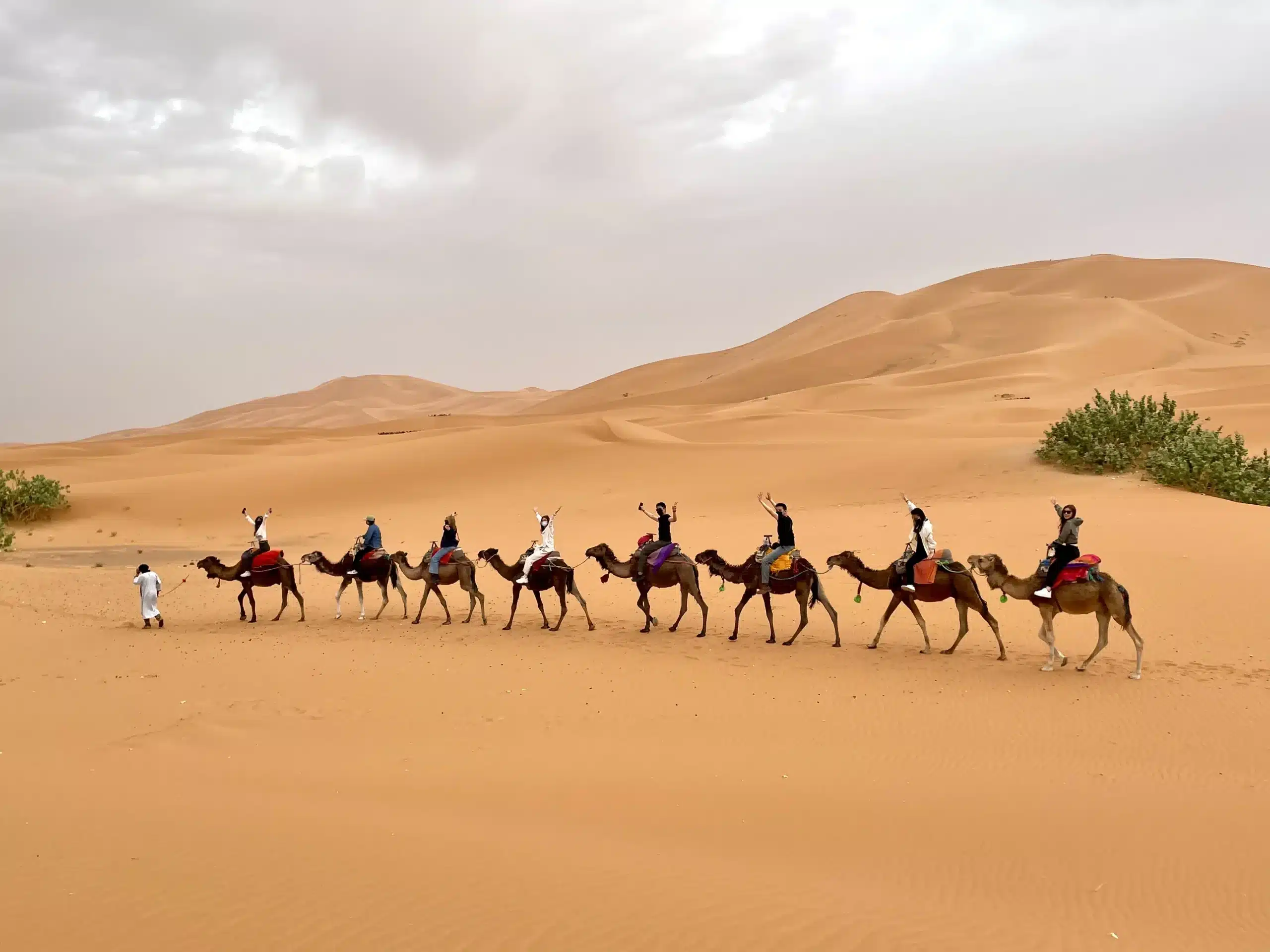
The Merzouga Desert is the gateway to the Sahara, known for its massive golden dunes of Erg Chebbi. Visitors can enjoy camel rides, 4×4 adventures, sandboarding, and overnight stays in luxury desert camps under the stars.
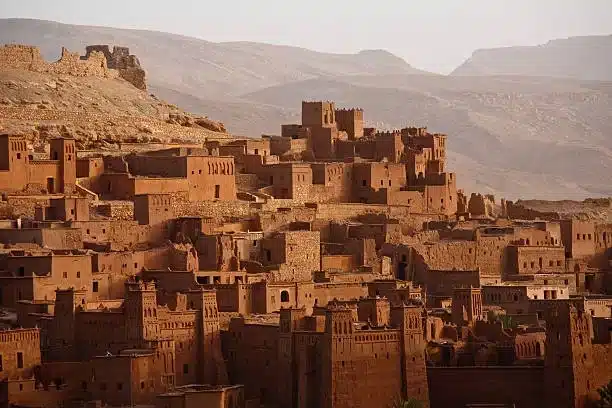
Aït Ben Haddou is a historic ksar (fortified village) and UNESCO World Heritage Site located along the old caravan route. Its clay architecture has been featured in many famous films and offers incredible views of the surrounding desert landscapes.
Dades Valley is known for its dramatic landscapes, winding roads, and traditional Berber villages. It is often called the “Valley of a Thousand Kasbahs” and is a key stop between the High Atlas Mountains and the Sahara Desert.
Essaouira is a charming coastal city on the Atlantic Ocean, famous for its relaxed atmosphere, windy beaches, and historic medina. It is ideal for seafood lovers, surfers, and travelers seeking a peaceful coastal escape.
Casablanca is Morocco’s largest city and economic hub, known for its modern vibe and the impressive Hassan II Mosque overlooking the ocean. It offers a mix of contemporary lifestyle and cultural landmarks.
Rabat, the capital of Morocco, combines modern government districts with historic sites such as the Kasbah of the Udayas and Hassan Tower. It is clean, calm, and less chaotic compared to other major cities.
Choosing a best Morocco tour package is one of the top ways to experience the country in a comfortable, flexible, and authentic way. Instead of following a fixed group schedule, a private tour allows you to travel at your own pace and enjoy a more personalized experience.
Here are the main benefits:
A private Morocco tour gives you full control over your travel plan. You can:
This flexibility is especially valuable when traveling long distances between cities and the desert.
Private tours usually include modern, air-conditioned vehicles such as 4x4s or minibuses. This ensures:
Comfort is especially important in Morocco, where some routes involve several hours of driving.
A private driver-guide offers valuable insight into Moroccan culture, history, and daily life. This includes:
Having a local expert with you makes the experience richer and more meaningful.
Private tours allow you to experience Morocco in a more authentic way. Instead of rushing through tourist attractions, you can:
This creates a deeper connection with the country and its people.
With a private tour, everything is organized for you, saving valuable time. You don’t need to worry about:
Your itinerary is efficiently planned so you can focus on enjoying your trip.
Every traveler is different, and a private tour can be fully customized to match your needs. Whether you are:
Your tour can be adapted in terms of pace, accommodation style, activities, and stops.
At Tour to Morocco, we specialize in private and customized tours designed to help you experience the country’s most iconic destinations and hidden gems. Whether you’re looking for a luxury Sahara Desert adventure, an imperial cities tour, or a tailor-made itinerary, our experienced local team is here to create an unforgettable journey.
We offer:
Contact us today to start planning your 2026 Morocco adventure.
Website: https://tourtomorocco.com
Email: tourtomorocco1@gmail.com
WhatsApp: +212 670 457 263


