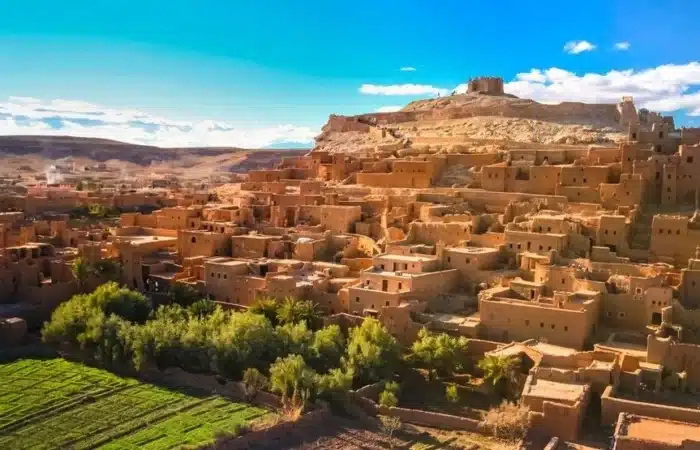
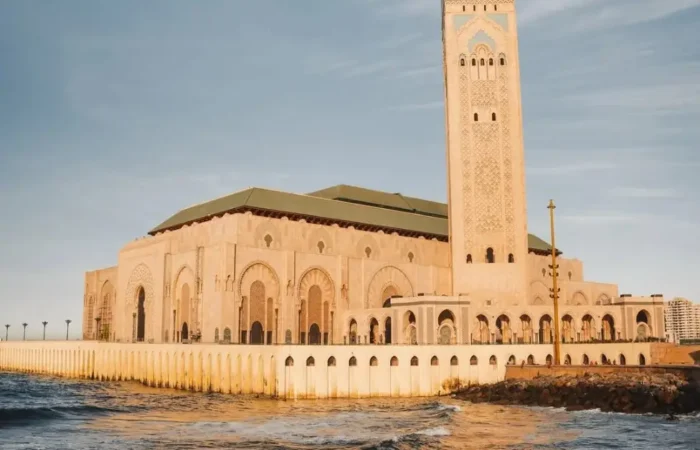
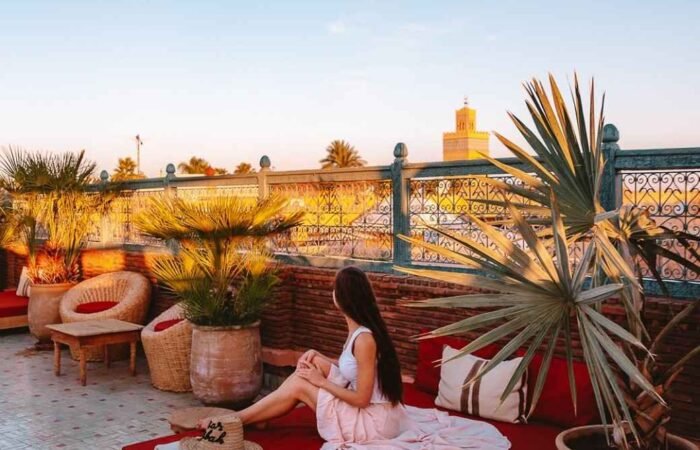
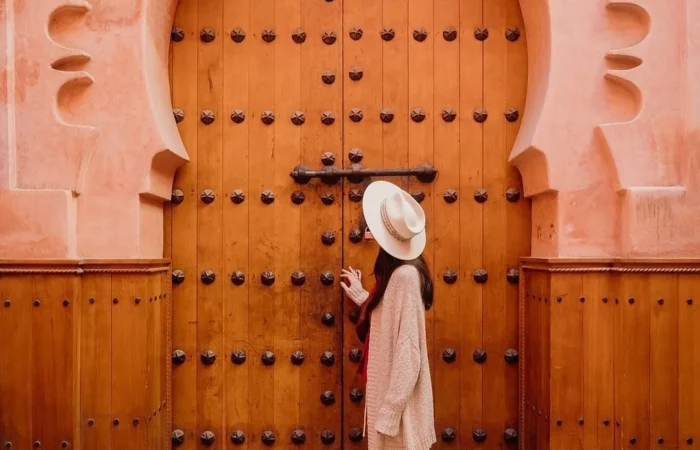
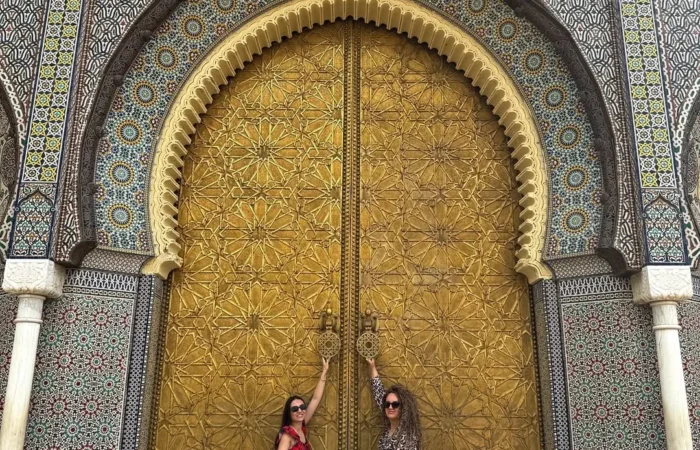
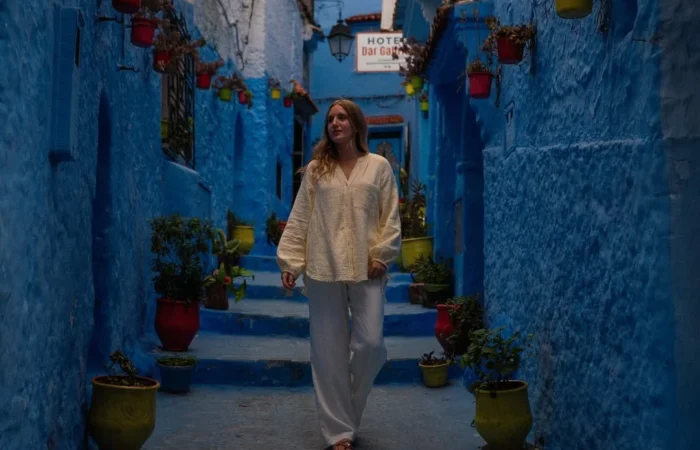
If you’re planning your first tour to Morocco, one of the biggest questions on your mind is probably, “Is Morocco safe for Americans?” The good news is that the answer is yes. Morocco is one of the most welcoming and stable travel destinations in North Africa, attracting thousands of American visitors every year. From the lively markets of Marrakech and the ancient streets of Fes to the breathtaking Sahara Desert and the charming blue town of Chefchaouen, Morocco offers unforgettable experiences for travelers seeking culture, adventure, history, and natural beauty.
Like any country, Morocco is not completely free from crime or travel risks. Visitors may occasionally encounter petty theft, persistent street vendors, or tourist scams in busy areas. However, violent crime against tourists is rare, and the overwhelming majority of American visitors complete their trips without any serious incidents. By staying aware of your surroundings, respecting local customs, and using common sense, you can enjoy a safe and memorable holiday.
Morocco has invested heavily in tourism infrastructure over the past two decades. Modern highways connect major cities, high-speed trains make travel easier than ever, and international airports welcome millions of visitors each year. The country’s tourism industry is an important part of the economy, meaning hotels, riads, restaurants, guides, and local businesses are accustomed to hosting international guests, including many from the United States.
Whether you’re planning to wander through colorful souks, spend a night beneath the stars in the Sahara Desert, hike the Atlas Mountains, or relax on the Atlantic coast, Morocco offers a rewarding experience for every type of traveler. Choosing a reputable tour company or booking a private tour can make your journey even smoother by handling transportation, accommodations, and local logistics while allowing you to focus on enjoying your vacation.
In this complete 2026 guide, you’ll learn everything American travelers need to know about safety in Morocco, including crime rates, travel advisories, transportation, health tips, cultural etiquette, and practical advice for solo travelers, women, families, and first-time visitors.
As of 2026, Morocco remains one of the safest countries to visit in North Africa and continues to welcome millions of tourists from around the world. American travelers visit Morocco throughout the year to explore its imperial cities, stunning deserts, mountain villages, and Atlantic beaches. Tourism is a key sector of the Moroccan economy, and authorities place a strong emphasis on maintaining a safe environment for both residents and visitors.
Security measures are visible in many tourist destinations. You’ll often notice police officers and tourist police in popular areas such as Marrakech’s Jemaa el-Fnaa Square, the medinas of Fes, Chefchaouen, Rabat, and Casablanca. These security measures help create a safe atmosphere for travelers and contribute to Morocco’s reputation as a reliable destination for international tourism.
Most visits to Morocco are trouble-free. The most common issues reported by tourists are minor inconveniences rather than serious safety concerns. These include aggressive sales tactics in busy markets, unofficial guides offering services without being requested, or taxi drivers attempting to negotiate higher fares. While these situations can be frustrating, they are generally easy to avoid by politely declining offers, using licensed guides, and agreeing on taxi fares before starting your journey.
Travelers who venture beyond the main tourist routes will also discover Morocco’s famous hospitality. In rural villages, mountain communities, and desert regions, locals are often eager to welcome visitors and share their traditions. Many travelers say that the kindness of Moroccan people becomes one of the highlights of their trip.
The best way to stay safe is to plan ahead, remain aware of your surroundings, secure your belongings, and book accommodations and tours through trusted providers. With these simple precautions, Americans can confidently explore Morocco and enjoy everything the country has to offer.
Before traveling abroad, it is always wise to review the latest travel advice issued by the U.S. government. The U.S. Department of State regularly updates its travel advisories to help American citizens make informed decisions about international travel. These advisories evaluate factors such as crime, terrorism, civil unrest, health concerns, and natural disasters.
Morocco is generally considered a safe destination for tourists, and millions of international visitors travel throughout the country each year without experiencing serious problems. Like many countries around the world, Morocco maintains security measures in public areas, transportation hubs, and popular tourist attractions. Visitors may notice police patrols in city centers, airports, and major landmarks, which contribute to a secure environment for both locals and tourists.
Although Morocco has a stable tourism industry, travelers should always remain informed about local conditions. Checking the latest travel advisory before departure is a good habit, as recommendations can change over time. It is also advisable to enroll in the Smart Traveler Enrollment Program (STEP), allowing the U.S. Embassy to contact you in the event of an emergency and provide important travel updates during your stay.
In addition to reviewing official guidance, American travelers should purchase comprehensive travel insurance that covers medical emergencies, trip cancellations, and lost luggage. Having copies of your passport, travel documents, and emergency contact information can also provide extra peace of mind while traveling.
By staying informed and following local laws and customs, most Americans enjoy a safe, enjoyable, and stress-free experience in Morocco.
One of the most common questions travelers ask is whether crime is a serious concern in Morocco. Fortunately, Morocco has relatively low levels of violent crime against tourists compared to many popular travel destinations around the world. Most visitors never experience any criminal activity during their stay, especially those who use common sense and take normal travel precautions.
The most common type of crime affecting tourists is petty theft. Pickpocketing may occur in crowded places such as traditional souks, busy public squares, train stations, and popular tourist attractions. Keeping your phone, wallet, camera, and passport in secure locations greatly reduces the risk of theft. A cross-body bag with secure zippers or a money belt can provide additional protection when exploring crowded markets.
Another issue travelers may encounter is persistent individuals offering unsolicited services, such as guiding visitors through the medina or carrying luggage. While many people are genuinely trying to earn a living, it is perfectly acceptable to politely decline assistance if you do not need it. Booking licensed local guides through reputable tour companies is the safest option for exploring Morocco’s historic cities.
Violent crime involving tourists is uncommon. Most Moroccan cities are safe during the day, and many tourist districts remain lively into the evening. However, as with any destination, it is wise to avoid poorly lit or isolated streets late at night, especially if traveling alone. Using official taxis or pre-arranged transportation after dark is often the safest choice.
The overall safety experience in Morocco depends largely on preparation and awareness. Travelers who respect local customs, remain alert in busy areas, and plan their transportation in advance usually find Morocco to be a welcoming and enjoyable destination. For added convenience and security, many Americans choose private tours, where transportation, accommodations, and local guidance are arranged by experienced professionals.
One of the reasons many travelers search “Is Morocco safe for Americans?” is because they have heard stories about tourist scams. The good news is that while scams do exist, they are generally minor, non-violent, and easy to avoid with a little awareness. Most scams occur in busy tourist destinations such as Marrakech, Fes, Casablanca, and Chefchaouen, where large numbers of visitors gather throughout the year.
A common situation involves someone offering to show you the “correct way” after claiming the street you’re following is closed. In many cases, they expect payment for their assistance at the end of the walk. While some people genuinely want to help, it’s best to politely decline unsolicited offers and use a navigation app or ask shop owners, police officers, or your accommodation staff for directions instead.
Another frequent scam involves unofficial tour guides approaching tourists near famous attractions. These individuals may promise an authentic experience but often charge inflated prices or provide inaccurate information. Booking a licensed local guide or arranging excursions through a trusted travel company ensures a much better experience while supporting professional tourism services.
Taxi scams are also common in larger cities. Some drivers may refuse to use the meter or quote an inflated fare, particularly near airports and tourist sites. Always agree on the price before beginning your journey if the meter is not being used, or use officially registered taxis whenever possible.
Shopping in Morocco’s colorful souks is one of the highlights of any visit. Bargaining is part of the local culture and should be viewed as a friendly negotiation rather than a confrontation. Prices often start higher than expected, especially for tourists, so don’t hesitate to negotiate respectfully. Purchasing from reputable artisan cooperatives and fixed-price shops can also provide peace of mind.
The vast majority of Moroccans are honest, welcoming, and proud to share their country with visitors. Understanding these common situations allows American travelers to explore confidently and enjoy Morocco’s vibrant culture without unnecessary stress.
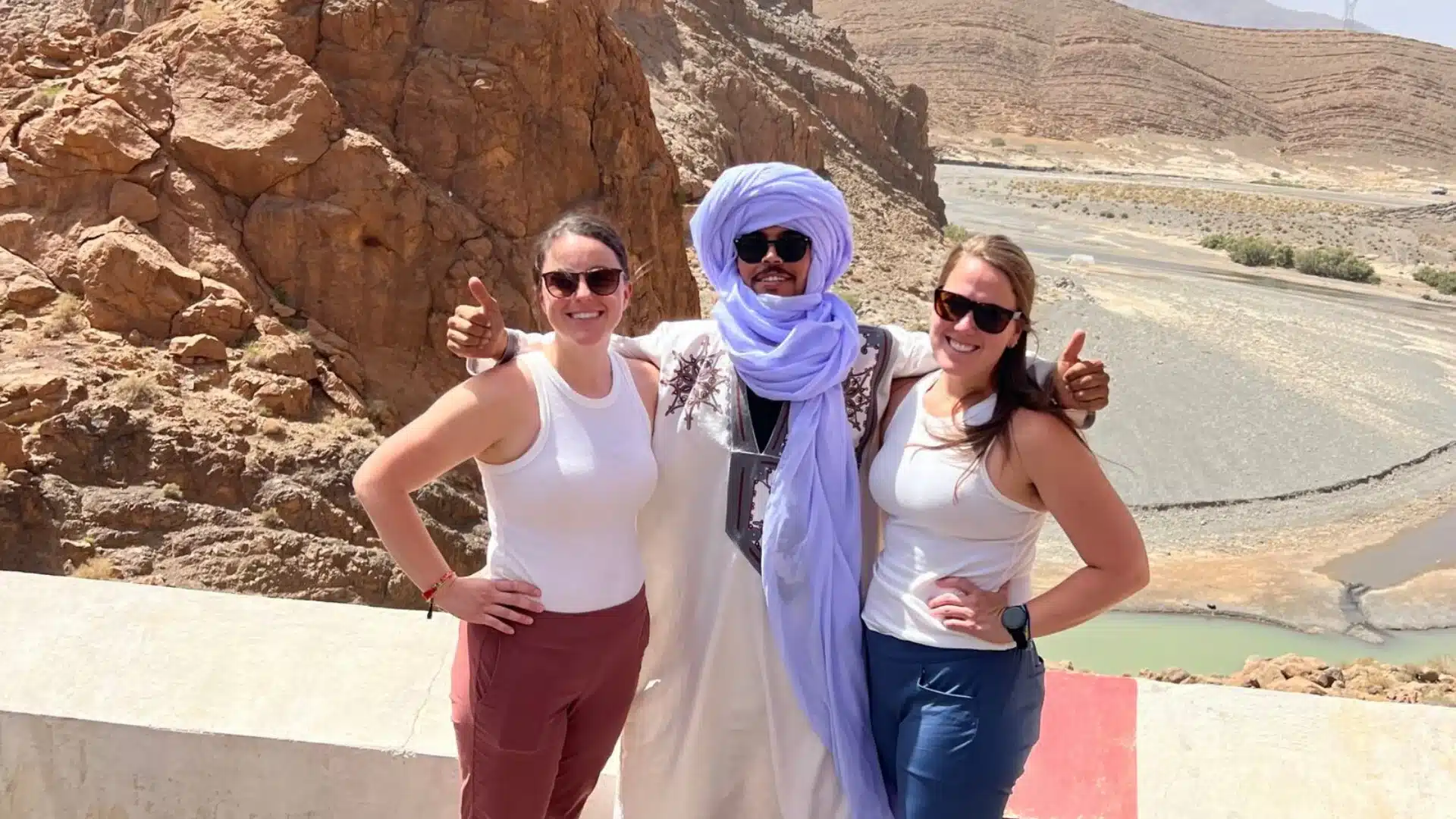
Many women planning a trip to North Africa ask, “Is Morocco safe for solo female travelers?” The answer is yes. Thousands of women from the United States and around the world travel independently throughout Morocco every year and return home with wonderful memories. While solo female travel requires a few additional precautions, Morocco remains a rewarding destination filled with incredible landscapes, rich traditions, and genuine hospitality.
The most common challenge female travelers encounter is unwanted attention in busy tourist areas. This usually takes the form of compliments, attempts to start conversations, or invitations to visit shops rather than aggressive behavior. Although these interactions can sometimes feel uncomfortable, they are rarely dangerous. A polite but firm “No, thank you” and continuing to walk is generally the best response.
Dressing modestly can help reduce unwanted attention, particularly when visiting traditional neighborhoods, rural villages, or religious sites. There’s no requirement to wear local clothing, but choosing outfits that cover the shoulders and knees demonstrates respect for Moroccan culture and often makes travelers feel more comfortable.
Solo female travelers should also book accommodations with excellent reviews, avoid isolated streets after dark, and share their itinerary with family or friends. Using licensed taxis, arranging airport transfers in advance, and joining guided day trips are additional ways to travel confidently.
Many women find that joining a private tour offers the perfect balance between independence and security. With a professional local driver-guide handling transportation and logistics, travelers can focus on experiencing Morocco’s culture while avoiding common tourist hassles.
Overall, Morocco is considered a safe destination for women who travel with confidence, stay aware of their surroundings, and respect local customs.
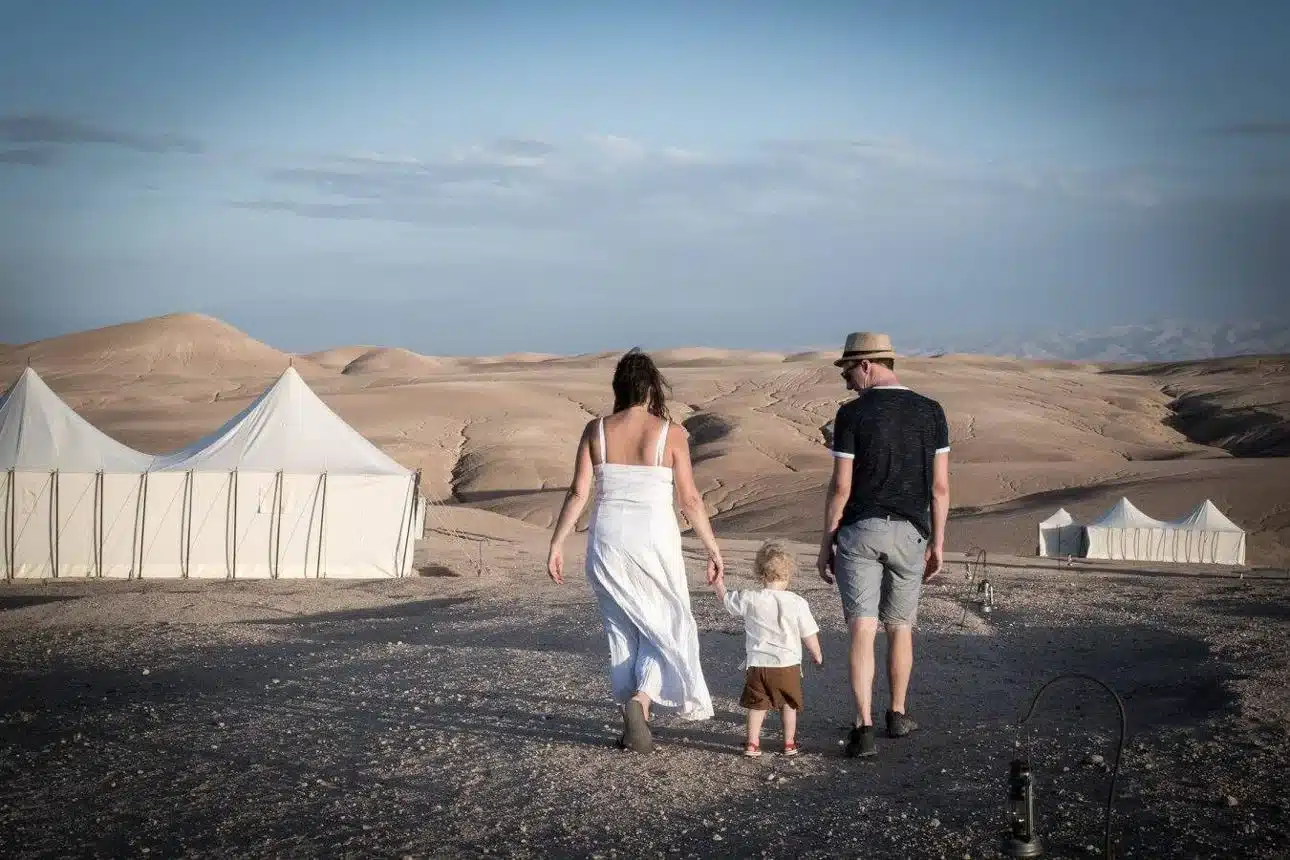
Morocco is one of the most family-friendly destinations in Africa, making it an excellent choice for American families looking for a unique cultural adventure. Moroccan society places great importance on family values, and children are warmly welcomed almost everywhere. Visitors often notice that locals smile at children, offer friendly greetings, and go out of their way to make families feel comfortable.
Families traveling through Morocco can enjoy a wide range of experiences suitable for all ages. Children love riding camels across the golden dunes of the Sahara Desert, exploring ancient kasbahs, watching monkeys in the cedar forests near Azrou, and wandering through colorful markets filled with handcrafted goods and traditional sweets. Coastal towns such as Essaouira also provide relaxed beaches where families can unwind after exploring Morocco’s inland attractions.
Accommodation options are another advantage for family travelers. Many riads and hotels offer spacious family rooms, swimming pools, and child-friendly services. Restaurants are generally welcoming to children, and Moroccan cuisine includes many dishes that appeal to younger travelers, including grilled meats, fresh bread, couscous, and fruit juices.
The biggest challenge when traveling with children is Morocco’s long driving distances between some destinations. Fortunately, these Morocco tours often include scenic stops at mountain viewpoints, traditional villages, palm oases, and historic kasbahs, making the trip enjoyable rather than tiring. Choosing a private tour allows families to travel at their own pace, stop whenever needed, and customize the itinerary according to their children’s interests.
With thoughtful planning and reliable transportation, Morocco offers families an unforgettable combination of education, adventure, and cultural discovery.
Health and medical safety are important considerations for anyone traveling abroad, and Morocco is well equipped to meet the needs of international visitors. Major cities such as Marrakech, Casablanca, Rabat, Fes, and Tangier have modern hospitals, private clinics, pharmacies, and qualified medical professionals. English-speaking doctors can often be found through hotels, embassies, or travel insurance providers.
Before traveling, Americans should ensure they have comprehensive travel insurance that covers medical treatment, emergency transportation, and trip interruptions. While medical costs in Morocco are often lower than in the United States, private healthcare facilities typically require payment or proof of insurance before treatment.
One of the most common health concerns for travelers is stomach discomfort caused by unfamiliar foods or changes in diet. Fortunately, this can usually be avoided by drinking bottled or filtered water, eating freshly prepared meals, washing fruits before consumption, and choosing busy restaurants with high food turnover. Moroccan cuisine is generally fresh, flavorful, and prepared using locally sourced ingredients, making it both delicious and safe when basic precautions are followed.
The Moroccan sun can be intense, especially during the summer months and while exploring the Sahara Desert. Staying hydrated, wearing sunscreen, using a hat, and taking breaks during the hottest part of the day will help prevent heat-related illnesses.
Travelers who take prescription medications should bring enough for the duration of their trip, along with copies of their prescriptions. Carrying a small travel first-aid kit containing pain relievers, motion sickness tablets, antiseptic cream, and digestive medication is also recommended.
By preparing in advance and following sensible health precautions, American visitors can enjoy Morocco comfortably and safely while focusing on the country’s incredible culture, history, and landscapes.
Getting around Morocco is generally safe and straightforward, making it easy for American visitors to explore the country’s diverse landscapes and historic cities. Whether you choose to travel by train, taxi, rental car, or private tour, each option offers its own advantages. Understanding how Morocco’s transportation system works will help you enjoy a smooth and stress-free journey.
Morocco has one of the most modern and reliable railway networks in Africa. Operated by the national railway company, trains connect major cities such as Tangier, Rabat, Casablanca, Meknes, Fes, and Marrakech. The high-speed train between Tangier and Casablanca is comfortable, efficient, and popular with both locals and tourists.
Train stations are generally safe, well-organized, and equipped with ticket offices, waiting areas, and security personnel. American travelers can comfortably use the train to explore Morocco’s imperial cities while enjoying scenic views along the route. As with any public transportation, keep your luggage close, avoid leaving valuables unattended, and remain aware of your surroundings during busy travel periods.
Taxis are widely available throughout Morocco and are an affordable way to travel within cities. In larger cities, you’ll find small taxis for local journeys and larger taxis for travel between towns. Most drivers are honest and professional, but visitors should always confirm that the meter is being used or agree on a fare before beginning the trip if a meter is unavailable.
Using official taxis from designated taxi stands is recommended, especially at airports and train stations. If you’re arriving late at night or visiting Morocco for the first time, arranging an airport transfer through your hotel or tour company can provide additional peace of mind.
Many adventurous travelers choose to rent a car, especially if they want to explore the Atlas Mountains, the Sahara Desert, or coastal towns at their own pace. Morocco’s major highways are modern and well maintained, while mountain roads may be narrow and winding. Defensive driving is essential, particularly in busy cities where traffic can be unpredictable.
Parking is generally available in tourist areas, and unofficial parking attendants may offer to watch your vehicle for a small tip. For travelers unfamiliar with Moroccan roads, hiring a private driver is often the safest and most relaxing option.
Many American visitors prefer private transportation because it combines safety, comfort, and flexibility. A professional English-speaking driver knows the best routes, handles local driving conditions, and allows you to stop at scenic viewpoints, traditional villages, and hidden attractions along the way. This option eliminates the stress of navigation and lets you focus entirely on enjoying your Moroccan adventure.
One of the highlights of visiting Morocco is experiencing its world-famous cuisine. Traditional dishes such as tagine, couscous, pastilla, grilled meats, and fresh mint tea are enjoyed by visitors from around the world. Fortunately, food safety in Morocco is generally good, especially when travelers follow a few simple precautions.
Restaurants in tourist areas maintain high hygiene standards, particularly those with positive online reviews and a steady flow of customers. Busy restaurants usually prepare food fresh throughout the day, reducing the risk of foodborne illness. Freshly cooked meals served hot are almost always the safest choice.
Street food is another memorable part of Moroccan culture. Markets in Marrakech, Fes, and other cities offer delicious local specialties prepared in front of customers. Choose stalls that appear clean, have high customer turnover, and cook food fresh to order. Watching where local families eat is often a good indicator of quality.
When it comes to drinking water, most travelers prefer bottled or filtered water rather than tap water. Bottled water is inexpensive and widely available in supermarkets, convenience stores, hotels, and restaurants throughout Morocco. Ice served in reputable hotels and restaurants is generally safe, but if you have a sensitive stomach, requesting drinks without ice can provide extra reassurance.
Staying hydrated is particularly important during summer or while exploring the Sahara Desert. Carry a reusable water bottle, drink regularly throughout the day, and avoid excessive sun exposure during the hottest afternoon hours.
By eating at reputable establishments and following these simple guidelines, American travelers can fully enjoy Morocco’s incredible culinary traditions without unnecessary concerns.
Understanding local customs is one of the easiest ways to enjoy a safe and rewarding trip to Morocco. Moroccans people are known for their hospitality, kindness, and respect toward guests, and visitors who show appreciation for local traditions often receive an especially warm welcome.
Although Morocco is a modern country, it is also deeply influenced by Islamic traditions. Dressing modestly, particularly in smaller towns and rural communities, demonstrates cultural respect. Lightweight clothing that covers the shoulders and knees is generally appropriate for both men and women, especially when visiting religious or traditional sites.
Greetings are an important part of Moroccan culture. A simple smile and greeting such as “Salam Alaikum” (Peace be upon you) is appreciated and often leads to friendly interactions. Learning a few basic Arabic or French phrases can enhance your travel experience and show respect for the local culture.
When taking photographs, always ask permission before photographing people, especially in rural villages or traditional markets. Some individuals may politely decline, while others may request a small tip. Religious sites should also be approached respectfully, and photography may be restricted in certain locations.
Public displays of affection are generally uncommon, particularly outside major cities. Couples should be mindful of local customs by keeping physical affection discreet in public spaces.
During the holy month of Ramadan, visitors should also be aware that many Moroccans fast during daylight hours. While tourists are not expected to fast, eating or drinking discreetly in public during the day is considered respectful.
By embracing Morocco’s customs with an open mind, travelers often discover that cultural exchange becomes one of the most rewarding aspects of their journey.
Morocco offers a wide variety of destinations that are considered safe for tourists and attract millions of international visitors each year. Each city has its own unique atmosphere, history, and attractions.
Marrakech is one of Morocco’s most visited cities and is famous for its vibrant souks, historic palaces, gardens, and lively Jemaa el-Fnaa Square. Tourist police are present throughout the city, making it a comfortable destination for first-time visitors.
Chefchaouen, known as the Blue Pearl of Morocco, is one of the country’s most peaceful destinations. Its relaxed atmosphere, picturesque streets, and welcoming locals make it especially popular with solo travelers, couples, and photographers.
Fes offers an unforgettable journey through history with one of the world’s oldest medinas. While its narrow streets can feel confusing at first, hiring a licensed local guide allows visitors to explore safely while learning about the city’s rich heritage.
Essaouira is a favorite destination for families and travelers seeking a slower pace. Its coastal location, relaxed atmosphere, and walkable medina create an enjoyable environment for visitors of all ages.
Rabat, Morocco’s capital, is clean, organized, and considered one of the safest cities in the country. It combines modern neighborhoods with impressive historical monuments, gardens, and oceanfront views.
Merzouga, the gateway to the Sahara Desert, is another exceptionally safe destination. Visitors typically stay in desert camps or hotels where hospitality is a central part of the experience. Guided camel treks or 4×4 excursions provide a safe and unforgettable way to explore the magnificent dunes.
Although Morocco is generally a safe country, travelers should exercise extra caution in certain situations, just as they would in any international destination. Busy tourist areas, crowded markets, and transportation hubs are where petty theft is most likely to occur.
The narrow alleyways of historic medinas can sometimes be confusing, especially for first-time visitors. Rather than following strangers who offer unsolicited directions, use offline maps or ask your hotel staff or licensed guides for assistance.
At night, it’s advisable to avoid isolated streets or poorly lit neighborhoods that are unfamiliar to you. Tourist districts are usually lively and safe, but taking a licensed taxi after dark is often the best choice, particularly if you’re traveling alone.
Remote mountain trails and desert regions should always be explored with experienced local guides. Weather conditions can change quickly, and mobile phone coverage may be limited in certain areas. Booking organized excursions ensures both safety and a richer cultural experience.
The key to enjoying Morocco safely is preparation, awareness, and making informed decisions. Most travelers find that the country’s welcoming people, fascinating history, and breathtaking landscapes far outweigh the relatively minor challenges they may encounter.
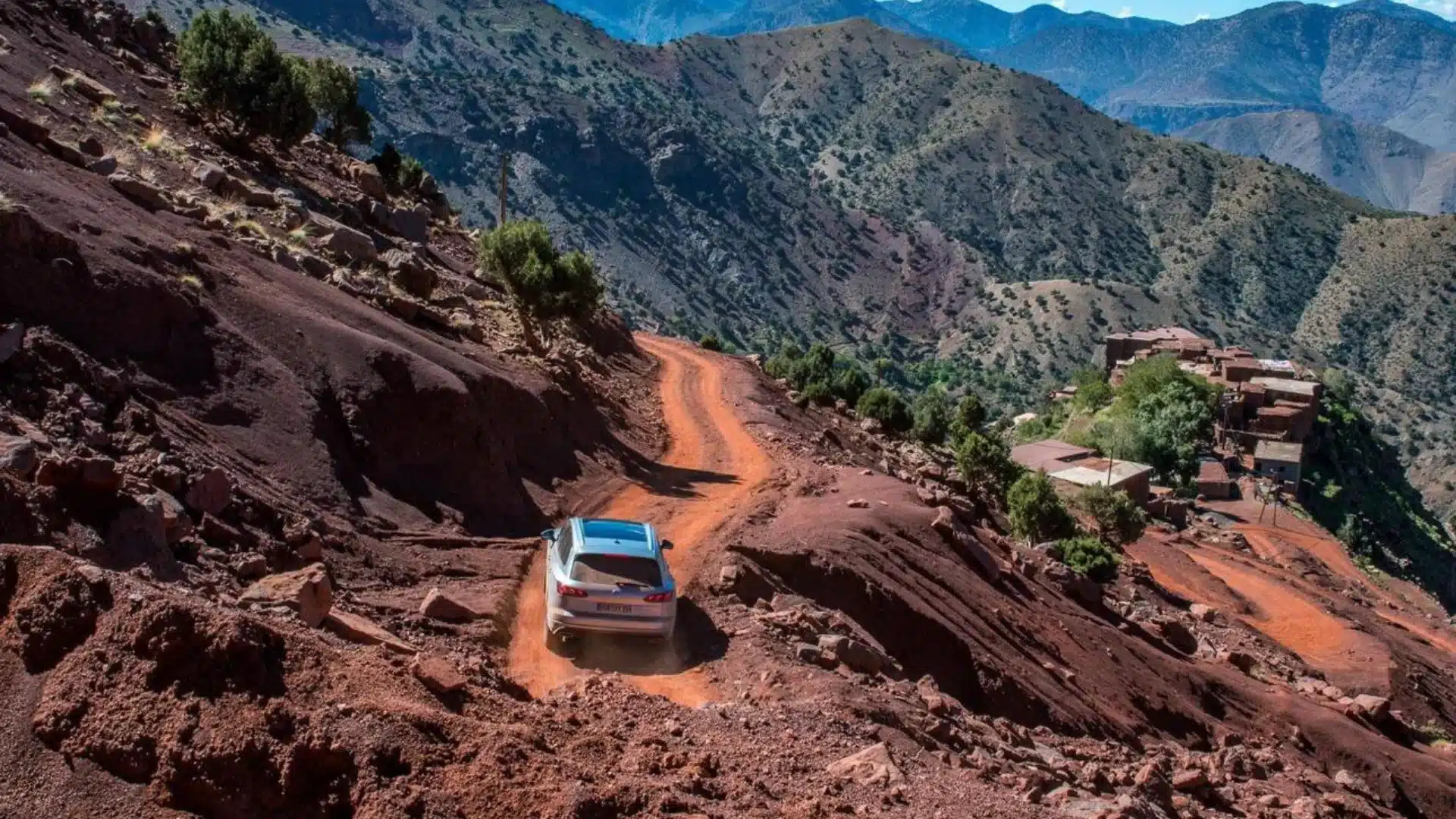
While Morocco is considered a safe destination for American travelers, choosing a private tour can make your journey even more comfortable, convenient, and stress-free. Instead of worrying about driving, navigating unfamiliar roads, negotiating taxi fares, or finding accommodations, you can simply relax and enjoy the incredible landscapes, history, and culture that Morocco has to offer.
A private tour gives you the freedom to travel at your own pace. Whether you want to spend more time exploring the colorful souks of Marrakech, stop for photos in the High Atlas Mountains, or enjoy a peaceful sunset over the Sahara Desert, your itinerary can be tailored to your interests. This flexibility is especially valuable for families with children, couples celebrating a special occasion, solo travelers, and small groups of friends.
One of the greatest advantages of a 12 day private tour is having a professional local driver-guide who understands the country, speaks English, and knows the safest and most scenic routes. Your guide can recommend authentic restaurants, explain Moroccan traditions, help you communicate with locals, and ensure that your trip runs smoothly from beginning to end.
Private tours also reduce many of the common concerns first-time visitors have about Morocco. Airport transfers are arranged in advance, accommodations are carefully selected, and transportation is provided in modern, air-conditioned vehicles. Instead of spending time planning logistics, you can focus on enjoying experiences such as exploring ancient kasbahs, visiting Berber villages, riding a camel across the golden dunes of Erg Chebbi, or spending a magical night in a luxury Sahara Desert camp.
At Tour To Morocco, we specialize in creating personalized private tours for American travelers. Whether you are interested in a short desert excursion or a two-week adventure across Morocco, we design itineraries that combine comfort, authenticity, and unforgettable experiences while prioritizing your safety throughout the journey.
So, is Morocco safe for Americans? The answer is yes. Morocco is a welcoming country with a rich cultural heritage, breathtaking landscapes, and a well-established tourism industry that caters to visitors from around the world. While petty theft and common tourist scams can occur in busy areas—as they do in many popular destinations—violent crime against tourists is relatively uncommon.
By following basic safety precautions, respecting local customs, and planning your trip carefully, you can enjoy an unforgettable journey through Morocco. From the bustling streets of Marrakech and the historic medina of Fes to the peaceful blue alleys of Chefchaouen and the spectacular dunes of the Sahara Desert, Morocco offers experiences that are both safe and unforgettable.
For travelers looking for the most convenient and secure way to discover the country, a private guided tour provides peace of mind while allowing you to experience Morocco’s incredible diversity without worrying about transportation or logistics.
Whether you’re traveling solo, with friends, as a couple, or with your family, Morocco has something for everyone. With thoughtful preparation and an adventurous spirit, your Moroccan journey is likely to become one of the most memorable trips you’ll ever take.