Where Is Morocco Located? Discover Morocco on the World Map
Morocco is located in North Africa, at the northwestern corner of the African continent, where the Atlantic Ocean meets the Mediterranean Sea. With its beautiful coastline, impressive Atlas Mountains, historic imperial cities and golden Sahara dunes, Morocco is one of Africa's most fascinating travel destinations.
If you are planning your first trip, you might be wondering: Where exactly is Morocco? Is Morocco in Africa or Europe? How far is it from Spain? And where are famous destinations such as Marrakech, Casablanca and the Sahara Desert?
Morocco's unique geographical position makes it an extraordinary country to explore. Situated just across the Strait of Gibraltar from southern Spain, it connects the landscapes and cultures of Africa with centuries of Mediterranean and European influences.
In this travel guide, we explain where Morocco is located, which countries surround it, what makes its geography special and why its location makes it such an exciting destination for international travelers.
Where Is Morocco Located on the World Map?
Morocco is situated in the far northwest of Africa. It borders the Atlantic Ocean to the west, the Mediterranean Sea to the north and Algeria to the east. To the south lies Western Sahara, a disputed territory largely administered by Morocco.
One of Morocco's most interesting geographical features is its proximity to Europe. At the narrowest point of the Strait of Gibraltar, only about 14 kilometers (9 miles) separate the African and European continents.
This location has shaped Morocco's history for centuries. Traders, explorers and travelers have passed through the region, contributing to the country's rich mixture of Amazigh, Arab, African, Andalusian and Mediterranean influences.
Today, Morocco is known for its colorful markets, traditional architecture, beautiful natural landscapes and welcoming hospitality.
Is Morocco in Africa or Europe?
Morocco is an African country. It belongs to North Africa and forms part of the Maghreb region, which also includes Algeria, Tunisia, Libya and Mauritania.
Because Morocco is so close to Spain, some visitors mistakenly believe that it is part of Europe. However, Morocco lies geographically on the African continent.
Northern Moroccan cities such as Tangier and Tétouan are especially close to southern Spain. Ferry connections across the Strait of Gibraltar make travel between the two countries possible.
Although Morocco is geographically African, its culture reflects centuries of interaction between Africa, Europe and the Mediterranean world.
This cultural diversity is one of the reasons Morocco is such an interesting destination to visit.
What Is the Capital of Morocco?
The capital of Morocco is Rabat, a beautiful city located along the Atlantic coast.
Rabat is the country's political and administrative center and is known for its historic monuments, gardens and traditional neighborhoods.
Visitors can explore the famous Hassan Tower, the Mausoleum of Mohammed V and the Kasbah of the Udayas, which overlooks the Atlantic Ocean.
Although Rabat is the capital, Casablanca is Morocco's largest city and an important economic center.
Other popular Moroccan cities include Marrakech, Fes, Tangier, Chefchaouen, Agadir and Meknes.
Each city offers a different experience, from ancient medinas and traditional markets to modern neighborhoods and coastal landscapes.
How Far Is Morocco from Spain?
Morocco is one of the closest African countries to Europe.
The Strait of Gibraltar separates Morocco from southern Spain, with a distance of approximately 14 kilometers at its narrowest point.
Travelers visiting southern Spain can reach northern Morocco by ferry, making it possible to combine both countries in one holiday.
Tangier is one of the most popular entry points for visitors arriving from Europe.
From Tangier, travelers can continue toward Chefchaouen, Fes, Rabat and other destinations across Morocco.
The country's proximity to Europe has also contributed to its long history of cultural exchange, trade and travel.
Where Is Morocco Located Compared to the United States?
Morocco is located across the Atlantic Ocean from the United States, on the northwestern side of Africa.
For American travelers, Morocco offers an opportunity to discover a country with a different cultural atmosphere, traditional architecture and landscapes ranging from mountains to desert dunes.
International flights connect the United States with Morocco through direct services on selected routes and connections through European airports.
Casablanca Mohammed V International Airport is one of the country's main international gateways.
Marrakech is another popular arrival destination, particularly for travelers interested in exploring southern Morocco and the Sahara Desert.
Many American visitors choose private Morocco tours because they allow them to discover several regions with comfortable transportation and local assistance.
Where Is Marrakech Located in Morocco?
Marrakech is located in west-central Morocco, near the foothills of the High Atlas Mountains.
Known as the Red City, Marrakech is one of the country's most popular destinations for international travelers.
The city is famous for its historic medina, colorful souks, traditional riads, beautiful gardens and lively Jemaa el-Fna Square.
Its location makes Marrakech an excellent starting point for discovering other parts of Morocco.
From Marrakech, travelers can visit the Atlas Mountains, explore the coastal town of Essaouira or travel through southern Morocco toward the Sahara Desert.
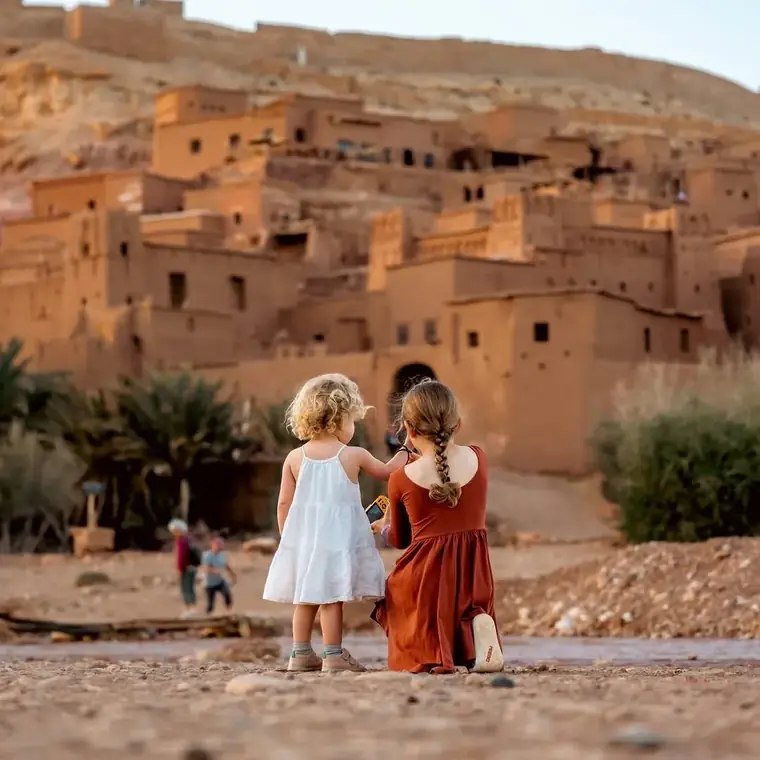
Many private desert tours begin in Marrakech and continue through Aït Ben Haddou, Ouarzazate, Dades Valley and Merzouga.
Where Is the Sahara Desert Located in Morocco?
The Sahara Desert extends across much of North Africa, and its landscapes reach southeastern Morocco.
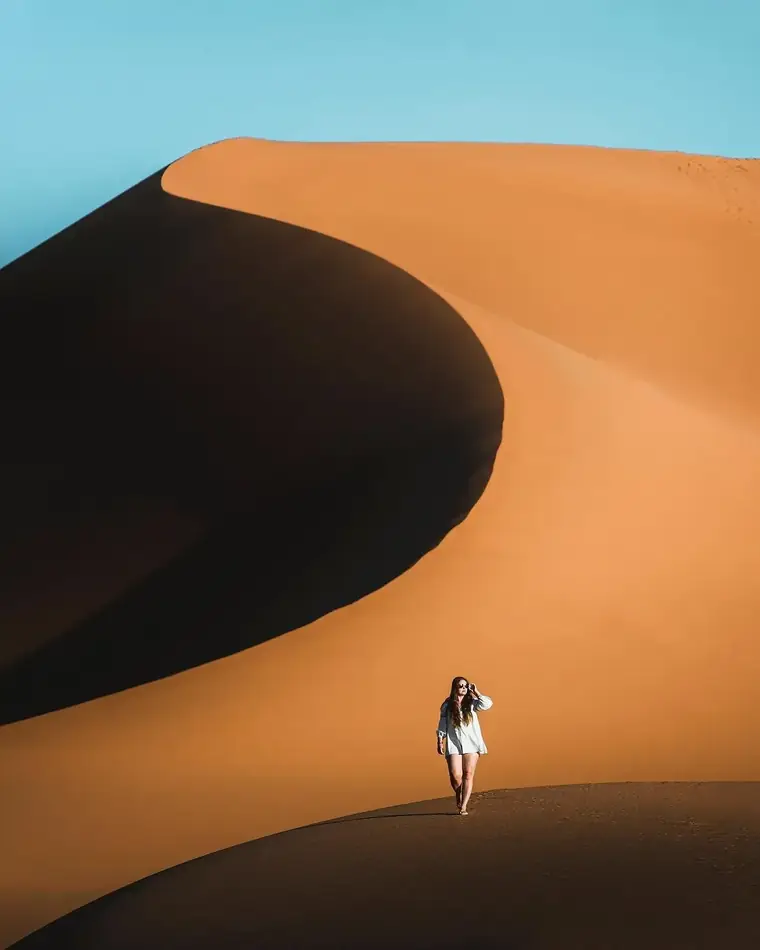
One of the best-known places to experience the Moroccan Sahara is Merzouga, a small village located near the impressive Erg Chebbi dunes.
Merzouga is famous for its golden sand dunes, traditional desert communities and peaceful desert atmosphere.
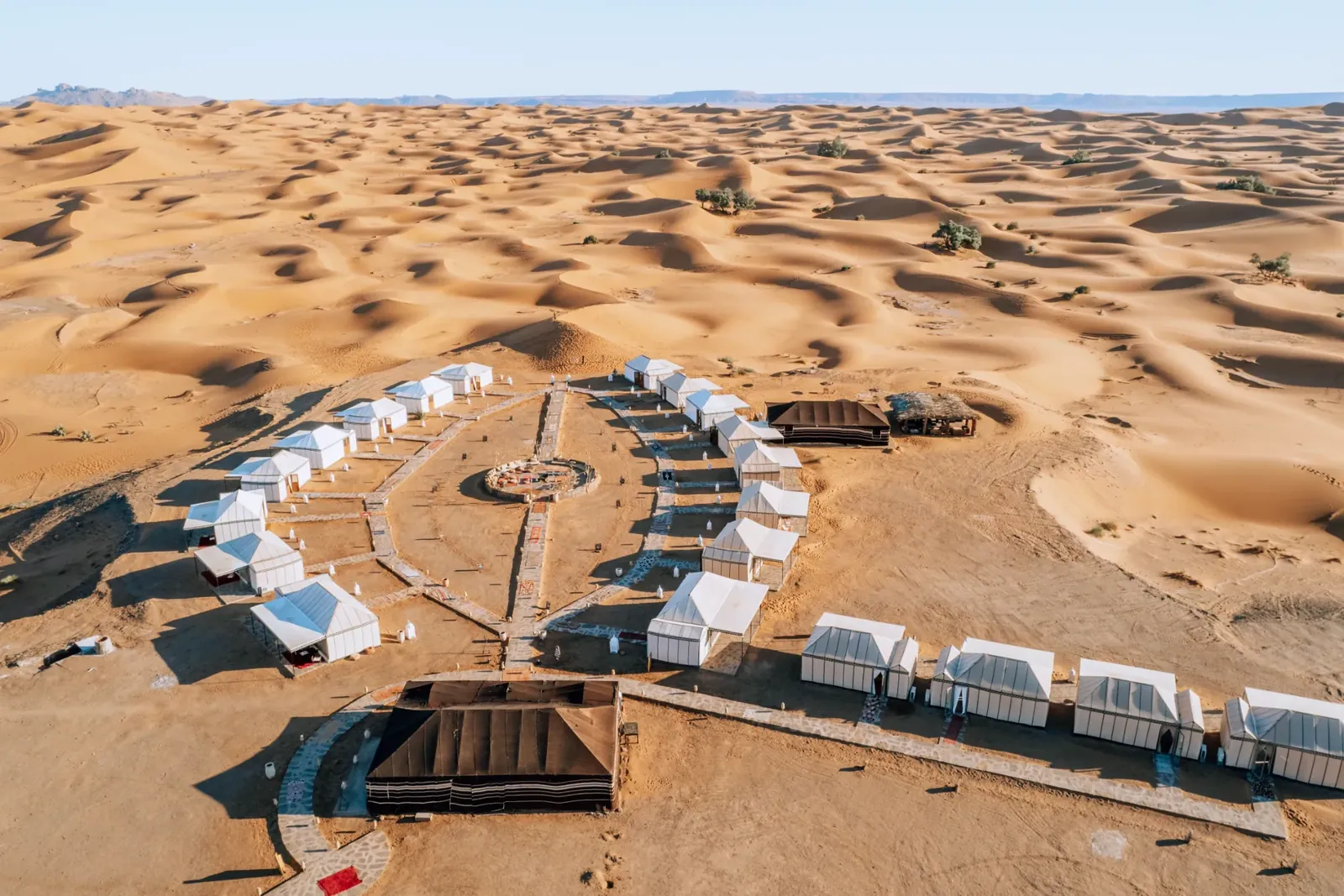
Travelers can enjoy camel rides at sunset, sandboarding, private 4×4 desert excursions and overnight stays in comfortable desert camps.
Another well-known desert destination is Erg Chigaga, located farther southwest near the M'Hamid region.
Both areas offer opportunities to discover the natural beauty of the Sahara, although they have different landscapes and access routes.
For travelers visiting Morocco for the first time, Merzouga is a popular destination because it can be included in private tours from Marrakech, Fes and other cities.
Morocco's Geography: Mountains, Deserts and Coastlines
One of the most remarkable things about Morocco is the diversity of its landscapes.
Although many people associate Morocco with the Sahara Desert, the country also has beautiful mountain ranges, fertile valleys, forests and long stretches of coastline.
The Atlas Mountains
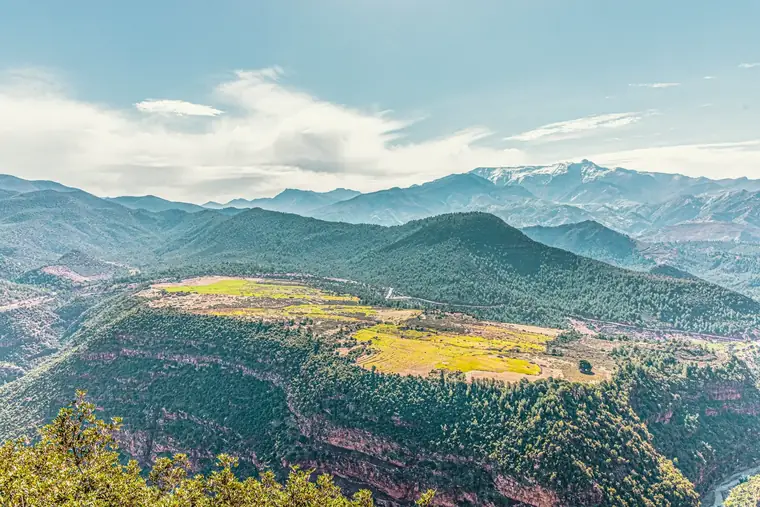
The Atlas Mountains extend across Morocco and include the High Atlas, Middle Atlas and Anti-Atlas ranges.
These mountains are home to traditional Amazigh villages, beautiful valleys and impressive natural scenery.
Mount Toubkal, located in the High Atlas Mountains, is the highest mountain in Morocco and North Africa, reaching approximately 4,167 meters.
The Atlas Mountains are popular for hiking, photography, cultural experiences and peaceful mountain retreats.
The Sahara Desert
Southeastern Morocco features desert plains, rocky landscapes, palm-filled oases and spectacular sand dunes.
The Merzouga region is particularly famous for the Erg Chebbi dunes, where visitors can enjoy camel trekking and overnight desert experiences.
The Atlantic Coast
Morocco's Atlantic coastline includes destinations such as Casablanca, Rabat, Essaouira and Agadir.
These cities offer beaches, seafood restaurants, historic neighborhoods and opportunities for coastal activities.
Essaouira is especially popular with travelers looking for a relaxed atmosphere, traditional architecture and beautiful ocean views.
The Mediterranean Coast
Northern Morocco borders the Mediterranean Sea, where visitors can discover coastal towns, beaches and mountain landscapes.
Destinations such as Al Hoceima offer a different experience from the country's Atlantic cities and southern desert regions.
What Languages Are Spoken in Morocco?
Morocco has two official languages: Arabic and Amazigh.
Moroccan Arabic, commonly known as Darija, is widely spoken in everyday life, while Amazigh languages are used in different regions throughout the country.
French is also widely used in business, education and tourism, while Spanish is spoken by some people, particularly in northern Morocco.
English is increasingly common in tourist destinations, hotels and travel services.
Visitors joining private Morocco tours can arrange English-speaking drivers and local guides to help them discover the country comfortably.
What Is the Weather Like in Morocco?
Morocco's climate changes considerably depending on the region and season.
Coastal cities such as Essaouira and Casablanca generally experience milder temperatures because of the Atlantic Ocean.
Marrakech has hot summers and relatively mild winter days, although temperatures can drop during the evening.
The Atlas Mountains experience cooler weather, particularly during winter, when higher elevations may receive snow.
In southeastern Morocco, including Merzouga, summer temperatures can become extremely high, while winter nights may be very cold.
For travelers planning a journey through several regions, spring and autumn are often excellent seasons to visit.
Best Time to Visit Morocco
Morocco can be visited throughout the year, but the best time depends on the destinations you want to explore.
Spring: March to May
Spring is one of the most pleasant times to visit Morocco. Temperatures are generally comfortable for exploring cities, visiting mountain villages and enjoying Sahara desert activities.
Summer: June to August
Summer is a popular season for coastal destinations such as Essaouira, Agadir and northern Morocco.
However, Marrakech and the Sahara Desert can experience intense heat, particularly during July and August.
Autumn: September to November
Autumn is another excellent time for cultural tours and desert adventures.
The weather becomes more comfortable in many regions, making it suitable for travelling between Morocco's cities and natural attractions.
Winter: December to February
Winter offers cooler temperatures and beautiful mountain scenery.
Visitors travelling to the Sahara should prepare for cold evenings, while mountain regions may experience snow.
How to Travel to Morocco
Morocco is accessible by international flights and ferry connections from Europe.
The country's main international airports include Casablanca Mohammed V International Airport, Marrakech Menara Airport, Tangier Ibn Battouta Airport, Fes–Saïss Airport and Agadir Al Massira Airport.
Travelers arriving from Spain can also reach northern Morocco by ferry.
Once in Morocco, visitors can travel between major cities by train, bus, rental car or private transportation.
For destinations such as Merzouga, Dades Valley and traditional mountain villages, travelling by road is often the most practical option.
A private Morocco tour with a professional driver can be a comfortable way to explore different regions while enjoying scenic stops along the journey.
Best Places to Visit in Morocco
Morocco offers an impressive variety of destinations for travelers interested in culture, history, nature and adventure.
- Marrakech: Famous for its historic medina, colorful markets, traditional riads and beautiful gardens.
- Fes: One of Morocco's oldest imperial cities, known for its historic medina, traditional craftsmanship and fascinating architecture.
- Chefchaouen: A charming mountain town famous for its blue-painted streets and peaceful atmosphere.
- Merzouga: A popular Sahara desert destination known for camel rides, sandboarding and overnight stays in desert camps.
- Essaouira: A beautiful Atlantic coastal town with historic ramparts, art galleries and a relaxed atmosphere.
- Casablanca: Morocco's largest city, home to the impressive Hassan II Mosque.
- Rabat: The country's capital, offering historic monuments, traditional neighborhoods and beautiful coastal views.
- Tangier: A historic port city near the Strait of Gibraltar, making it an excellent starting point for exploring northern Morocco.
Why Morocco Is Worth Visiting
Morocco is much more than a destination on the map. It is a country where travelers can experience different landscapes, traditions and cultures within one journey.
You can begin your holiday in the colorful streets of Marrakech, cross the Atlas Mountains, discover traditional villages and spend a peaceful night beneath the stars in the Sahara Desert.
Another journey might take you through the historic medinas of Fes and Meknes, the blue streets of Chefchaouen and the beautiful coastline of northern Morocco.
For travelers who enjoy authentic cultural experiences, Morocco offers traditional markets, local cuisine, historic architecture and opportunities to learn about the country's Amazigh and Arab heritage.
Whether you are planning a short holiday or a complete journey across the country, Morocco has something special to offer.
Frequently Asked Questions About Morocco's Location
Where exactly is Morocco located?
Morocco is located in northwestern Africa, bordered by the Atlantic Ocean to the west, the Mediterranean Sea to the north and Algeria to the east.
Is Morocco in Africa?
Yes. Morocco is located in North Africa.
Is Morocco part of Europe?
No. Morocco is an African country, although it is geographically close to southern Europe.
What is the capital of Morocco?
Rabat is the capital of Morocco.
Is Marrakech the capital of Morocco?
No. Marrakech is one of Morocco's most famous tourist destinations, but the capital is Rabat.
Is Morocco close to Spain?
Yes. Morocco and Spain are separated by the Strait of Gibraltar, which is approximately 14 kilometers wide at its narrowest point.
Does Morocco have a Sahara Desert?
Yes. Southeastern Morocco includes areas of the Sahara Desert, including the famous Erg Chebbi dunes near Merzouga.
What continent is Morocco in?
Morocco is located on the African continent.
Is Morocco part of the Middle East?
Geographically, Morocco is part of North Africa. It is sometimes included in the broader Middle East and North Africa region, commonly called MENA.
What is Morocco famous for?
Morocco is famous for its historic cities, traditional medinas, Atlas Mountains, Sahara Desert, colorful souks, Moroccan cuisine and rich cultural heritage.
Discover Morocco with Tour To Morocco
Now that you know where Morocco is located, why not experience its beauty for yourself?
At Tour To Morocco, we organize private and customized journeys that introduce travelers to Morocco's historic cities, traditional villages, mountain landscapes and Sahara Desert.
Whether you want to explore Marrakech, discover the blue streets of Chefchaouen, spend a night in the Merzouga Desert or enjoy a complete Morocco tour from Casablanca, our team can help create an itinerary suited to your interests.
Our private tours include comfortable transportation, experienced local drivers and flexible travel arrangements.
From short Sahara desert adventures to longer journeys across the country, we help travelers discover Morocco in a comfortable and personal way.
Start planning your Morocco adventure with Tour To Morocco.
Ready to see it for yourself?
Let our local team turn this inspiration into a real private itinerary.
Browse Morocco tours